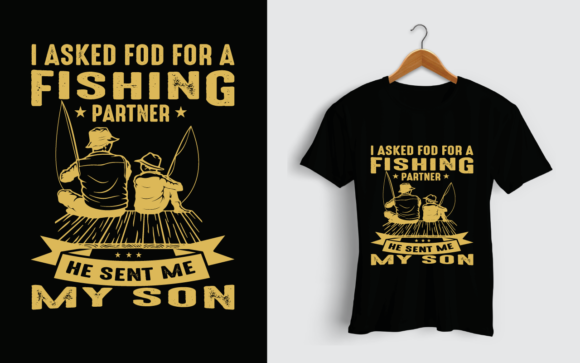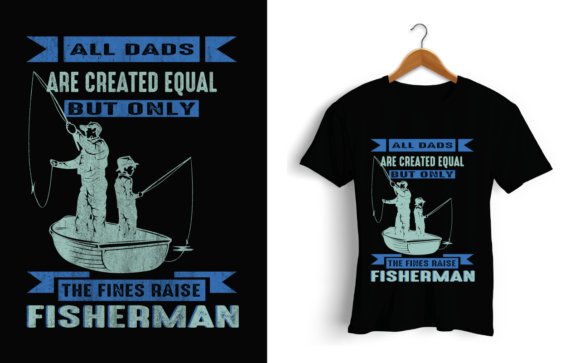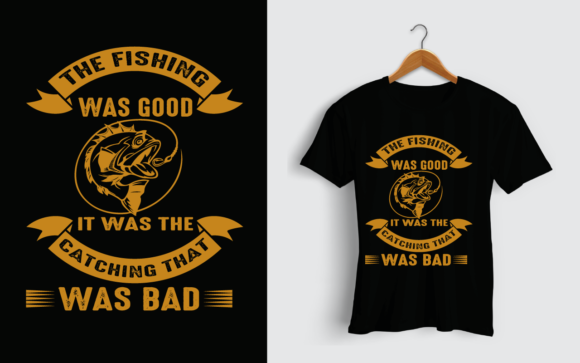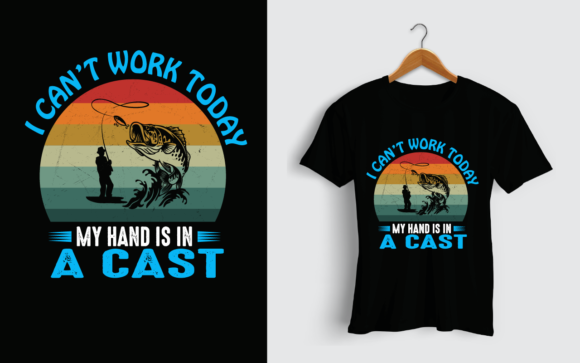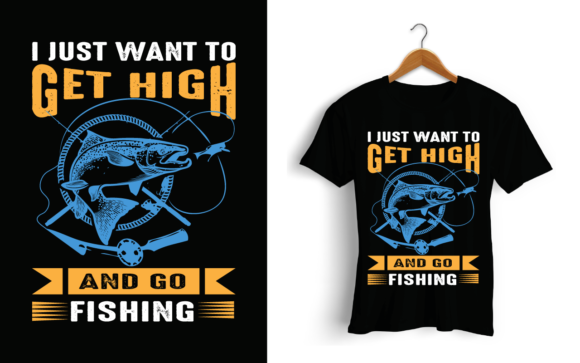
Fishing T-Shirt Design
As an embroidery designer and product reviewer, I often find myself evaluating digital files for real-world use. The Fishing T-Shirt Design caught my attention not just for its theme, but for how it might translate into actual projects. Let’s walk through what this design offers, where it shines, and where it might need a bit more care.
The First Impression: A Fisherman’s Life in Embroidery
The Fishing T-Shirt Design immediately evokes a sense of outdoor adventure. It features a simple yet recognizable fishing scene—likely a boat, a fish, and maybe some waves or a sunset. The layout is clean, with a central focus on the main subject, which makes it versatile for different types of garments and accessories.
The detail level is moderate. It doesn’t have overly intricate elements that would be hard to stitch, but it also avoids being too basic. This balance suggests it could work well for both casual and slightly more polished projects. The visual personality feels friendly and approachable, making it ideal for family-oriented or nature-themed items.
Real-Life Use Cases: Where Does This Design Fit?
This design could easily become a staple in a craft business or small shop product line. Imagine using it on a custom embroidered tote bag for a local fishing gear store, or as a sweatshirt embroidery for a summer event. It also has potential as a baby item, like a onesie or a nursery wall hanging, where simplicity and charm are key.
For Etsy sellers or handmade shops, the Fishing T-Shirt Design could serve as a printable mockup or a digital product preview. Its straightforward layout makes it easy to adapt for different fabric types and sizes. As a machine embroidery design, it could be part of a collection focused on outdoor or seasonal themes.
Considerations for Specific Projects
- Tote Bag Design: The design’s size and shape make it suitable for a large hoop, allowing for clear stitching without overcrowding.
- Sweatshirt Embroidery: The moderate stitch density should work well on cotton or blend fabrics, though testing on scrap material is always a good idea.
- Baby Embroidery: The design’s simplicity and non-threatening imagery make it a safe choice for baby clothes or blankets.
- Holiday Embroidery: It could be adapted for seasonal events, such as a Father’s Day gift or a coastal-themed present.
Where to Be Careful: Potential Challenges
While the Fishing T-Shirt Design is generally well-suited for many projects, there are areas where it may require extra attention. For instance, if you’re planning to use it on a small hoop, you might need to resize or simplify parts of the design to avoid issues with stitch density.
Textured or stretchy fabrics can also pose challenges. The design’s satin stitch areas might not show up as clearly on a rougher weave, and stretchy materials could cause distortion if not properly stabilized. Thin or dark fabrics may require adjusting thread colors for better visibility.
Curved surfaces like caps or hats can be tricky. If the design has detailed corners or intricate lines, it might not translate well to a rounded surface. Similarly, tiny lettering or decorative accents could get lost if the hoop size is too small or the stabilizer isn’t sufficient.
Impact on Visual Appeal and Customer Perception
When it comes to visual appeal, the Fishing T-Shirt Design has a strong chance of standing out. Its clean lines and familiar theme make it instantly recognizable, which is great for branding or marketing. Customers who see this design on a finished product are likely to associate it with quality and craftsmanship.
Stitching clarity is another factor. If the design is well-structured, it should look sharp and professional. However, if the stitch density is too high or the file is not optimized, it could lead to a cluttered appearance. This is where testing on different fabrics and using the right stabilizer becomes crucial.
From a business perspective, the design could enhance product value and customer trust. A well-executed embroidery project using this design can elevate a handmade product or small shop merchandise, making it more appealing to buyers looking for unique, personalized gifts.
Practical Designer Notes: What to Check Before Using
Before committing to a project, here are a few practical steps to take:
- Test on Scrap Fabric: Always try the design on a sample piece to see how it looks and feels.
- Check Thread Color Contrast: Ensure the chosen thread colors stand out against the fabric background.
- Review Stitch Density: Avoid areas that are too dense, which can cause puckering or distortion.
- Confirm Hoop Size: Make sure the design fits within your machine’s hoop limitations.
- Inspect Small Details: Look closely at corners, edges, and any fine lines to ensure they’ll stitch cleanly.
- Test Black and White Mockups: This helps assess how the design will look on different fabric colors.
- Compare Light and Dark Fabrics: Some designs may need adjustments depending on the background color.
- Use Proper Stabilizer: This prevents shifting and ensures even stitching, especially on stretchy or thin fabrics.
- Verify Licensing: Confirm whether the design is suitable for commercial use or selling finished products.
Final Thoughts: A Versatile Design for Many Uses
The Fishing T-Shirt Design is a solid option for embroidery projects that lean into nature, outdoor themes, or personalized gifts. Its clean layout and moderate detail level make it adaptable for a wide range of applications, from custom apparel to small shop merchandise.
While it may not be perfect for every situation, it offers a good balance of usability and visual appeal. Whether you're an Etsy seller, a craft business owner, or a hobbyist looking to expand your design library, this design could be a valuable addition to your collection.
As with any embroidery file, the key is to test, adjust, and ensure it meets your specific needs. With the right approach, the Fishing T-Shirt Design can bring a touch of seaside charm to your next project.