Fall Sublimation: A Seasonal Embroidery Design
As an embroidery designer and product reviewer, I often find myself evaluating new designs for their practicality, visual appeal, and usability in real-world projects. Fall Sublimation is one such design that caught my attention for its seasonal theme and versatility across multiple mediums. Whether you're working on custom apparel, small business merchandise, or handmade gifts, this design offers a range of possibilities—but it also comes with some important considerations.
The First Impression: Mood and Visual Personality
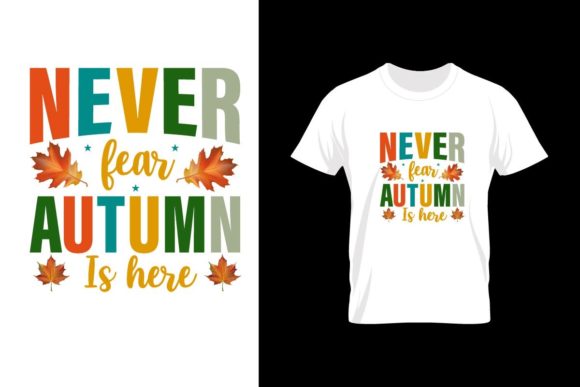
Fall Sublimation immediately evokes a sense of warmth and nostalgia. The design features autumnal elements like leaves, pumpkins, and cozy textures, making it ideal for seasonal projects. The layout is clean and balanced, with a mix of bold and subtle details that work well on both simple and complex surfaces. It has a natural, handcrafted feel that fits perfectly with the aesthetic of handmade products and personalized gifts.
The detail level is impressive, especially for a print template. It includes enough visual interest to stand out on its own but isn't overly intricate, which makes it suitable for a wide range of embroidery techniques. Whether you're using satin stitch, fill stitch, or running stitch, the design maintains its clarity without becoming too busy.
Real-World Use Cases: Where Fall Sublimation Shines
I tested Fall Sublimation on a few different projects to see how it would perform in real-life embroidery situations. One of the first applications I considered was a custom tote bag design. The size and layout of the design made it easy to fit within a standard hoop size, and the colors translated well onto light-colored fabric. It looked great on a cotton tote, adding a touch of seasonal charm without overwhelming the garment.
Another project I tried was a sweatshirt embroidery. The design worked well on a medium-weight fabric, and the stitching came out crisp and clear. It added a professional finish to the garment, making it a strong candidate for small shop products or Etsy listings. I also saw potential for using it on baby clothes, where the soft, autumnal tones could create a warm and inviting look.
For a more detailed project, I considered an embroidered patch. The design's structure allowed for precise stitching, and the use of applique design techniques helped maintain the integrity of the image. It would be a great addition to a craft business or as part of a boutique branding strategy.
Where to Be Cautious: Limitations and Challenges
While Fall Sublimation is versatile, there are a few areas where it might not perform as well. For instance, if you're working with small hoop sizes, the design may require splitting into sections, which can complicate the stitching process. Similarly, textured fabrics or thin materials might cause the design to lose some of its definition, especially in areas with dense stitch patterns.
On dark fabrics, the design's contrast may be less noticeable, so it's important to test it on different color backgrounds before committing to a final project. Stretchy or layered garments could also pose challenges, as the design may shift or distort during the embroidery process. For curved surfaces like caps or hats, careful placement and proper stabilizer use are essential to prevent puckering or distortion.
Small details, such as tiny lettering or intricate corners, may not translate well depending on the machine's capabilities. It's always a good idea to review the stitch density and ensure that the design is optimized for your specific embroidery machine and fabric type.
Impact on Visual Appeal and Customer Perception
When it comes to visual appeal, Fall Sublimation delivers a strong, cohesive look that can elevate any finished product. Its clean lines and seasonal theme make it highly recognizable, which is beneficial for brand consistency and customer engagement. As an Etsy seller or small shop owner, this design could help attract buyers looking for holiday or seasonal items.
The design also contributes to the perceived value of handmade products. Its professional appearance and thoughtful composition make it suitable for both personal and commercial use. When used effectively, it can enhance the presentation of personalized gifts, custom apparel, and boutique merchandise, increasing customer trust and satisfaction.
From a marketing perspective, Fall Sublimation works well as a printable mockup or digital product preview. It’s a solid choice for embroidery designers looking to expand their design assets or for craft businesses seeking fresh content for their online stores.
Practical Designer Notes: Tips for Using Fall Sublimation
Before using Fall Sublimation in your projects, here are a few key tips to keep in mind:
- Test on scrap fabric first to ensure the design translates well to your chosen material.
- Check thread color contrast against the fabric background to avoid dull or washed-out results.
- Review stitch density to ensure the design is suitable for your machine and fabric type.
- Confirm hoop size requirements to avoid unnecessary complications during the embroidery process.
- Inspect small details to ensure they remain visible and intact after stitching.
- Test in black and white mockups to assess how the design looks without color.
- Compare light and dark fabric backgrounds to determine the best application for your project.
- Use proper stabilizer to prevent puckering, especially on stretchy or thin fabrics.
- Verify licensing before selling finished items or digital products to ensure compliance with terms of use.
Fall Sublimation is a reliable and adaptable design that can enhance a variety of embroidery projects. With careful consideration and testing, it can become a valuable asset for any creative entrepreneur, from hobbyists to commercial designers. Whether you're creating personalized gifts, custom apparel, or small shop merchandise, this design offers a strong foundation for seasonal and thematic embroidery work.