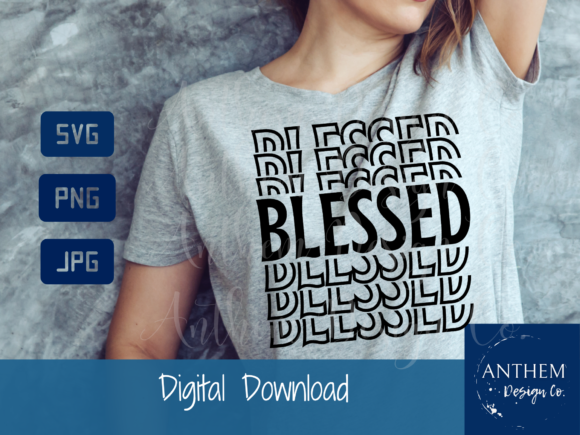
Blessed Retro
As an embroidery designer and product reviewer, I often find myself evaluating new designs with a critical eye—looking for quality, versatility, and practicality. Blessed Retro is one such design that caught my attention not just for its aesthetic, but for how it could translate into real-world projects. Let’s break down what makes this design stand out and where it might fall short in actual use.
The First Impression: A Nostalgic Vibe with Practical Potential
Blessed Retro has a retro feel that immediately evokes a sense of warmth and simplicity. The design features clean lines, soft curves, and a vintage-inspired layout that feels both timeless and modern. It’s the kind of design that could easily fit into a range of projects, from personalized gifts to commercial merchandise. The visual personality is understated but confident, making it ideal for handmade products that aim to feel authentic rather than overly flashy.
From a technical standpoint, the detail level is moderate. It’s not overly intricate, which means it can work well on a variety of fabrics and project types. However, this also means that it may not be the best choice for highly detailed or complex embroidery projects.
Real-World Embroidery Use Cases
One of the first scenarios I imagined was using Blessed Retro on a custom embroidered tote bag. The design’s size and shape make it a good fit for a medium-sized hoop, and its simplicity ensures that it won’t get lost on a large surface. When stitched onto a cotton canvas tote, the design looks clean and professional, with enough detail to catch the eye without overwhelming the fabric.
For sweatshirt embroidery, the design works well on a mid-weight knit. The stitch density is manageable, and the design doesn’t require excessive stabilizer, which is a big plus. It would also make a great addition to baby clothes, especially ones that need to be washed frequently. The design is small enough to avoid issues with stretchy fabric, and the colors are subtle enough to appeal to a wide audience.
If you’re planning to use it as an embroidered patch, the design translates well. The shapes are clear, and the overall composition is balanced. It could also be used for aprons, pillow covers, and even tea towels—projects that benefit from a design that feels handmade but still looks polished.
Where to Be Cautious: Limitations and Considerations
While Blessed Retro is versatile, there are a few areas where caution is warranted. For instance, if you're working with small hoop sizes, the design might be too large to fit comfortably. This could lead to stitching issues or the need for multiple hooping sessions, which isn’t ideal for efficiency.
On textured or dark fabrics, the design may not show up as clearly as expected. If you're planning to use it on a black shirt or a heavy denim jacket, you might want to test it first with different thread colors to ensure visibility. Similarly, on thin or stretchy fabrics, the design could appear slightly distorted unless proper stabilizer is used.
Detailed corners and tiny lettering are not major concerns here, but if you’re looking for a design that requires high precision, you might find Blessed Retro a bit too simple. It’s better suited for designs that rely on bold shapes and minimal detail rather than intricate patterns.
Impact on Visual Appeal and Customer Perception
When it comes to visual appeal, Blessed Retro is a solid choice. Its retro style gives it a unique edge that can help your handmade products stand out in a crowded market. Whether you’re selling on Etsy or at a craft fair, the design adds a touch of personality that customers tend to appreciate.
Stitching clarity is another strong point. The design maintains its integrity even when stitched at a moderate density, which is important for ensuring that the finished product looks clean and professional. This can boost customer trust, as buyers are more likely to feel confident in the quality of a product that looks well-made.
For small business owners and crafters, the design offers a good balance between aesthetics and functionality. It’s suitable for both personal projects and commercial use, provided you check the licensing terms before selling any finished items or digital products.
Practical Designer Notes: What to Test Before Using
Before committing to a project, I always recommend testing the design on scrap fabric. This helps you see how the stitches look in real life and whether the design works with your chosen fabric type. You should also check the contrast between your thread colors and the fabric background to ensure visibility.
Reviewing the stitch density is another key step. If the design is too dense, it could cause puckering or fabric distortion. Confirming the hoop size is essential, especially if you're working with limited space. Inspecting small details like corners and edges will help you avoid surprises during the stitching process.
Testing the design in black and white mockups can also give you a better idea of how it will look on different backgrounds. Comparing it on light and dark fabrics can reveal any hidden issues. Using the right stabilizer is crucial, especially for delicate or stretchy materials.
Final Thoughts: A Design That Works Well for Many Projects
Blessed Retro is a practical and stylish machine embroidery design that has the potential to enhance a wide range of projects. It’s particularly well-suited for custom apparel, personalized gifts, and small shop merchandise. While it may not be the best choice for ultra-detailed or high-stitch-density projects, it excels in simplicity and adaptability.
As a designer, I appreciate how the design balances nostalgia with modern usability. It’s a great addition to any collection of embroidery files, especially for those looking to create handmade products that feel both authentic and professional. Just remember to test it thoroughly and consider the fabric and project type before finalizing your design choices.